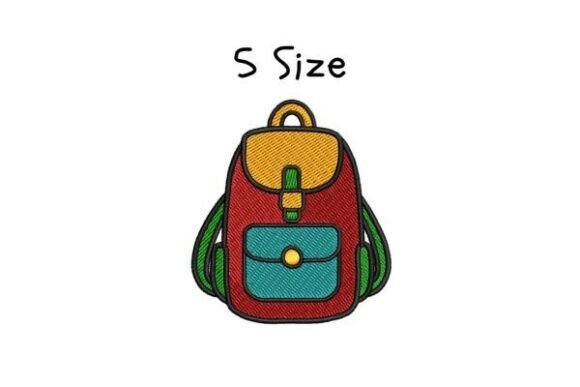
Backpack Embroidery Design Review
As a designer who spends more time than I care to admit staring at stitch density charts and fabric swatches, I approach every new embroidery file with a mix of skepticism and hope. The market is saturated with generic clip-art style designs, so finding something that actually translates well from screen to needle requires a critical eye. Today, I am putting the Backpack Embroidery Design through its paces—not just as a digital asset, but as a potential centerpiece for real-world projects. Whether you are an Etsy seller looking to refresh your back to school inventory or a hobbyist planning a personalized gift, understanding how a design behaves in three dimensions is crucial.
First Impressions and Visual Personality
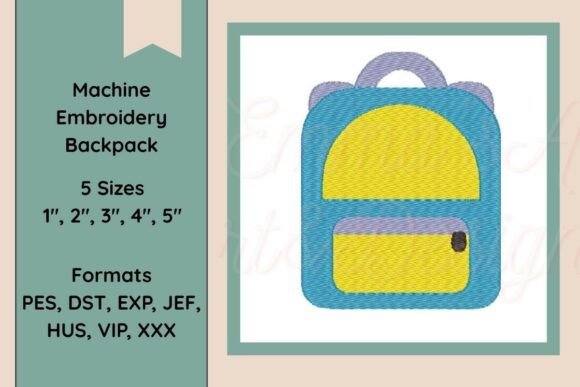
The moment I opened the files for this machine embroidery design, the layout struck me as clean and versatile. It avoids the cluttered aesthetic that often plagues novelty embroidery. Instead, it offers a balanced composition that feels modern yet timeless. The visual personality of the Backpack Embroidery Design is approachable and cheerful without being childish, which makes it a surprisingly flexible choice for a wide range of demographics.
In terms of detail level, the design strikes a healthy balance. It isn’t so sparse that it looks unfinished, nor is it so dense that it risks becoming a stiff, plastic-like patch on soft fabrics. The shapes are distinct, relying on strong outlines and solid fills to create definition. This is exactly what I look for in a reliable embroidery project base. It suggests a design that will hold its shape over time, resisting the warping that can ruin a high-end look. For a handmade product, this clarity is everything; customers can immediately appreciate the quality when the lines are crisp and the negative space is respected.
Real-World Application: From Screen to Stitch
Let’s talk about where this design truly shines. I recently simulated a scenario involving a batch of custom canvas tote bags for a local craft fair. The Backpack Embroidery Design proved to be an excellent candidate for this medium. When placed centrally on a sturdy cotton canvas, the fill stitch areas provided enough texture to catch the light, giving the bag a tactile appeal that printed graphics simply cannot match.
Beyond totes, I see immense potential in custom apparel. Imagine this design embroidered on the chest of a heavyweight sweatshirt for autumn. The structure of the backpack motif complements the casual, rugged nature of the garment perfectly. It works equally well as a back-print element on a denim jacket, offering a subtle nod to creativity and education. For baby embroidery, placing a smaller version of this design on a muslin burp cloth or a hooded towel adds a sweet, thematic touch that parents love for nursery decor or baby showers.
The versatility extends to accessories as well. An embroidered patch version of this design could be ironed onto a plain cap or a leather satchel, instantly upgrading a basic item into a boutique-quality piece. Even kitchen textiles like tea towels or aprons benefit from the playful yet structured nature of the artwork. It brings a sense of organization and fun to domestic spaces, making it a smart addition to any small shop product line focused on lifestyle goods.
Technical Considerations and Fabric Compatibility
While the design is robust, no digital embroidery file is immune to technical pitfalls. The success of the Backpack Embroidery Design relies heavily on the foundation beneath it. Proper stabilization is not just a suggestion; it is a requirement. Without adequate support, especially in the denser areas, you risk puckering, which distorts the geometry of the backpack shape and ruins the professional finish.
I strongly advise testing this design on scrap fabric before committing to your final piece. Pay close attention to how the stitch density interacts with different materials. On thin or stretchy fabrics, the tension might pull too much, causing the edges to curl. In such cases, a cut-away stabilizer is essential to maintain integrity during washing and wear. Conversely, on thick fabrics like wool felt or heavy denim, you may need to adjust your hoop size or thread weight to ensure the needle penetrates cleanly without breaking.
Another critical factor is thread color contrast. Because the design relies on defined shapes, low-contrast thread choices (like beige thread on cream fabric) can cause the details to disappear. Always review your thread colors against your chosen fabric under natural lighting. A quick trick is to view your mockup in black and white; if the elements lose their distinction, you likely need higher contrast or a different background fabric.
Where to Exercise Caution
There are specific scenarios where this embroidery project might require extra finesse. Small hoop sizes can sometimes compress intricate details, making tiny elements look muddy. If you are aiming for a miniature version, inspect the small corners closely to ensure they remain sharp. Similarly, textured fabrics like bouclé or sherpa can hide the finer points of the design, so smooth weaves are generally safer bets for maximum impact.
Avoid using this design on curved surfaces like baseball caps unless you have significant experience with multi-head machines or specialized cap hoops. The curvature can distort the horizontal alignment of the backpack graphic, making it look skewed. Additionally, be mindful of frequent washing. While embroidery is durable, excessive agitation can loosen threads in high-friction areas, so finishing techniques like knotting or using thread locks are recommended for items that will see heavy use.
Value for Commercial and Personal Use
For the craft business owner, the Backpack Embroidery Design offers strong commercial viability. Its theme aligns naturally with seasonal trends, particularly around back to school seasons, teacher appreciation gifts, and summer camp merchandise. The design’s clean aesthetic ensures it fits seamlessly into a cohesive brand identity, whether you are selling personalized gifts or bulk commercial embroidery items.
From a customer perspective, embroidered items carry a perceived value that far exceeds their production cost. A finished product featuring this design feels thoughtful and crafted, enhancing customer trust and satisfaction. It signals that the seller cares about quality, which is a key driver for repeat business and positive reviews on platforms like Etsy.
Before integrating this into your workflow, remember to check the licensing terms. Ensure you have the right to sell finished items made from this design assets package. Also, consider creating printable mockups that showcase the design on various products, helping potential buyers visualize the final result. This step alone can significantly boost engagement and conversion rates.
Final Verdict
The Backpack Embroidery Design is a solid, well-executed addition to any library. It balances aesthetic appeal with practical stitching requirements, making it suitable for a diverse array of applications. By paying attention to stabilization, fabric choice, and thread contrast, you can transform this simple file into a standout handmade product that delights both makers and recipients alike.