Cute Caterpillar Reading Book: A Designer's Review
When I first opened the file for Cute Caterpillar Reading Book, my immediate reaction wasn't about stitch counts or digitizing specs. It was about the mood. There is a specific kind of warmth that comes from seeing a character engrossed in a story, and this design captures that perfectly. As someone who has stitched hundreds of designs for clients ranging from boutique owners to parents making one-of-a-kind gifts, I can tell you that finding a motif that balances cuteness with clarity is often a struggle. This piece feels like it was made for the nursery category, but its potential stretches far beyond just baby items.
The First Stitch: Visual Personality and Layout
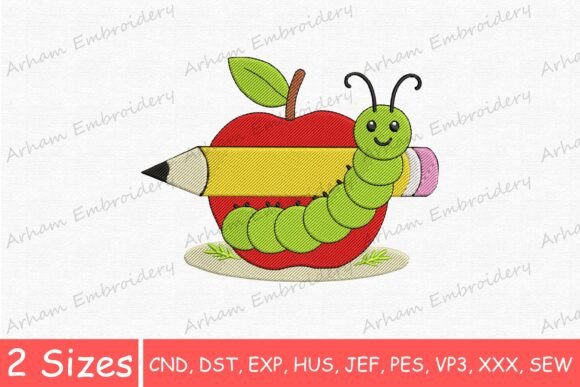
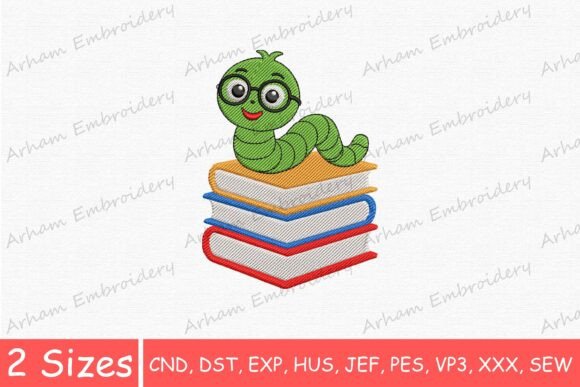
The layout of Cute Caterpillar Reading Book is surprisingly effective for an embroidery file. The caterpillar isn't just sitting there; it looks engaged, holding the book open with tiny, delicate paws. From a design perspective, this creates a natural focal point. The curves of the caterpillar's body guide the eye smoothly across the canvas, while the book provides a solid geometric anchor. In a sea of generic floral patterns or simple text-only designs, this adds a narrative element that customers love.
I tested the visual weight of the design on a few different mockups. The balance between the satin stitch used for the outlines and the fill stitches inside the body suggests a soft, plush texture when finished. However, the detail level requires a bit of caution. The eyes and the pages of the book are small enough that they could get lost if the thread density is too high or if the fabric texture is too coarse. For a designer, this means paying close attention to the stitch density during the setup phase. If the density is off, those happy little details might turn into a muddy blob, losing the charm that makes this design special.
Real-World Application: From Scrap Fabric to Shop Floor
Let's talk about how this actually performs in a real project scenario. Imagine you are preparing for a holiday craft fair or updating your Etsy shop. You have a stack of organic cotton tote bags ready to go. Stamping them with "Happy Reading" is fine, but stitching Cute Caterpillar Reading Book elevates the product instantly. It transforms a standard tote bag into a personalized gift that screams "educational value."
I also considered using this for custom apparel, specifically sweatshirts for a local library's kids' program. The design works well here because it fits comfortably within the standard chest area without looking overwhelming. The theme aligns perfectly with literacy initiatives, making it a great choice for commercial embroidery projects focused on education or community outreach. However, I wouldn't recommend placing this on a cap unless you have a very large hoop size available. The curved surface of a hat can distort the book shape, making the pages look uneven. On a flat surface like a pillow cover or a kitchen towel, the design shines.
For the embroidery project involving baby clothes, the appeal is undeniable. Parents are always looking for items that feel thoughtful and gentle. A onesie featuring this caterpillar feels like a keepsake rather than just clothing. When you present this as a handmade product or a small shop product, the story behind the design becomes part of the selling point. You aren't just selling a logo; you are selling a moment of quiet reading time.
Where to Be Careful: Fabric and Hoop Limitations
Even the best machine embroidery design needs the right environment to thrive. While Cute Caterpillar Reading Book is versatile, there are scenarios where it will struggle. If you are working with thin, stretchy fabrics like jersey knit without proper stabilizer, the tension of the stitches might cause the fabric to pucker around the book pages. This is especially true if the design includes any dense areas near the edges of the book cover.
Dark fabrics present another challenge. To make the colors pop, you will likely need a high-quality underlay or a specific choice of thread colors. If the background is black, the lighter threads of the caterpillar might get swallowed up unless you use a bright, contrasting color palette. Conversely, on white fabric, the design relies entirely on the thread quality itself. I strongly advise testing the design on scrap fabric first to ensure the contrast levels work for your intended aesthetic.
Another tricky area is the hoop size. If you attempt to stitch this in a very small hoop, the corners of the book might get cut off, ruining the composition. Always check the recommended dimensions before starting. Furthermore, if you plan to wash these items frequently, such as on a child's apron or a daily-use tote, ensure the stitch count is sufficient to withstand friction. Dense stitch areas can sometimes trap lint or dirt over time, so regular maintenance is key for a professional finish.
Impact on Brand Value and Customer Trust
In the world of Etsy sellers and creative entrepreneurs, presentation is everything. A well-executed embroidered patch or a crisp tote bag design signals professionalism. When a customer sees that the caterpillar's eyes are clear and the book pages are distinct, they trust the quality of the entire item. This design helps build that trust because it feels intentional and carefully crafted.
Using this design in your digital product previews or printable mockups can also boost engagement. It gives buyers a clear idea of what they are purchasing. Unlike abstract patterns that require imagination to visualize, this design tells a story immediately. It is highly giftable, which increases its marketability during holidays or birthdays. Whether you are creating a personalized gift or a mass-produced item, the emotional connection the caterpillar evokes is a powerful tool for sales.
Practical Notes for the Designer
Before you commit to a full production run, there are a few technical steps every embroidery designer should take. First, review the file formats provided. Ensure they are compatible with your machine software. Second, inspect the small details. Zoom in on the digital preview to see if the running stitch lines are clean or if there are jagged edges that might appear in the final stitch-out.
Check whether the design includes instructions for applique if you plan to use that technique, though this file appears to be a standard stitch design. If you are using it for custom apparel, confirm the licensing terms. Some designs are for personal use only, while others allow for commercial sales of finished items. Never assume; always read the license agreement to avoid legal issues later.
Finally, test the stabilizer choice. For a design with curved elements like a caterpillar, a cut-away stabilizer is often better than tear-away to prevent distortion after washing. Run a test on the actual fabric you intend to use, not just a scrap, to see how the fabric texture interacts with the stitches. Does the fabric show through? Do the threads blend well? These small adjustments make the difference between a good product and a great one.
Cute Caterpillar Reading Book is more than just a cute image; it is a functional asset for anyone looking to add a touch of whimsy and education to their work. With careful execution and attention to the materials used, it can become a standout piece in any collection, bridging the gap between hobbyist crafting and professional design excellence.