Cute School Teacher Goose
As an embroidery designer who spends hours analyzing stitch paths, color palettes, and commercial viability for small business clients, I look at every new digital file with a critical eye. We are not just looking for something "cute"; we are looking for assets that translate well into small business merch, hold up on various fabric textures, and reinforce brand identity without compromising professionalism. Today, I am reviewing the Cute School Teacher Goose, a design that promises to add a playful touch to your projects. But does it have the staying power required for branded patches, staff uniforms, and high-volume production?
First Impressions: Visual Personality and Brand Fit
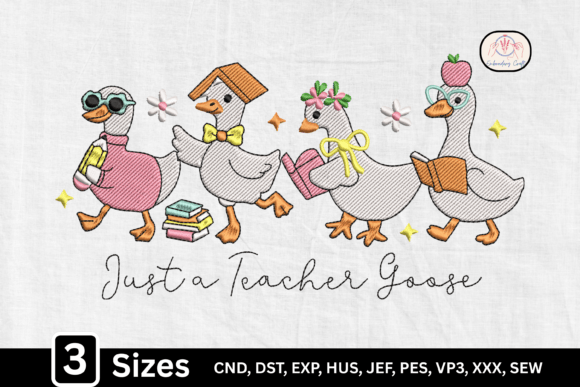
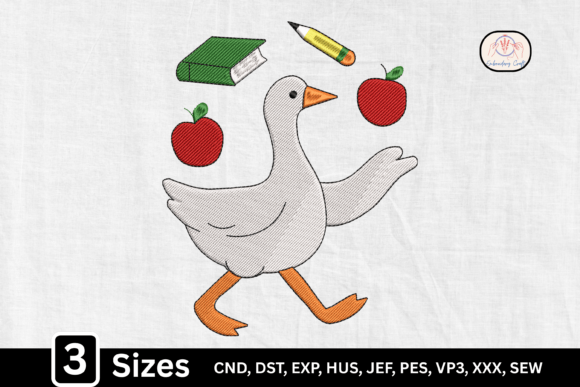
The title alone—Cute School Teacher Goose—sets a very specific tone. In the world of embroidery, personality is everything. This design immediately reads as friendly, approachable, and lighthearted. It is not trying to be sleek, corporate, or minimalist. Instead, it leans into a rustic, handmade aesthetic that resonates deeply with the current market trends in boutique retail and creative studios.
For a small café, a local bakery, or a handmade shop, this goose represents warmth. It suggests that the business cares about community and joy. However, for a high-end fashion label or a strict corporate uniform program, this might feel too decorative. The key here is alignment. If your brand voice is playful and customer-centric, this embroidery file is a strong candidate. If you are aiming for elegance or modern minimalism, you may find the character-driven nature of the design clashes with your visual consistency goals.
Real-World Business Applications
Let’s move past the screen and talk about application. How does this machine embroidery design perform when digitized and stitched onto physical products? Based on my experience reviewing similar assets, here is where Cute School Teacher Goose shines in a commercial setting:
- Embroidered Patches: This is perhaps the strongest use case. The distinct character outline makes it ideal for iron-on or sew-on patches. Small businesses can use these as logo accents on denim jackets, backpacks, or tote bags. The playful nature invites customers to customize their own gear, increasing engagement.
- Staff Uniforms and Aprons: For coffee shops, bakeries, or florists, adding a subtle goose accent to a chest pocket or the side seam of an apron adds a unique signature. It humanizes the staff and creates a memorable brand experience. It works particularly well as a secondary logo, paired with a more serious text-based brand name.
- Cap Embroidery: Curved surfaces like baseball caps can be tricky, but character designs often work well if the hoop size allows for proper tension. A centered goose on a cap front can serve as a standout piece of custom apparel for events or seasonal promotions.
- Tote Bag Design: Canvas totes are a staple for Etsy sellers and craft fair vendors. A single, well-placed goose embroidery on a natural cotton tote bag looks premium and artisanal. It elevates the product from a simple bag to a branded keepsake.
- Product Packaging Accents: Don’t overlook the unboxing experience. Stitching a tiny version of the goose onto gift tags, hang tags, or even directly onto the inside neck label of a shirt can add a delightful surprise for the customer, boosting perceived value.
Strategic Placement for Maximum Impact
When integrating Cute School Teacher Goose into your product line, placement is crucial. Avoid cluttering the design. Let it breathe. On a dark uniform, ensure the thread colors provide enough contrast so the details don’t get lost. On a light-colored tote bag, consider using a contrasting thread color to make the character pop. The goal is to create a finished product that feels intentional, not accidental.
Where to Exercise Caution
No design is perfect for every scenario. As a professional reviewer, I must highlight the areas where this design might struggle in a production environment:
- Small Patch Sizes: If you plan to reduce this design to less than 2 inches in width, you risk losing detail. Fine lines and intricate features may merge together, resulting in a muddy appearance. Always test at the actual production size.
- High Stitch Density: Character designs often require dense stitching to maintain shape. On thin fabrics like lightweight polyester or sheer materials, this density can cause puckering or distortion. Use a proper stabilizer to support the fabric during stitching.
- Curved Surfaces: While caps are common, other curved items like sleeves or rounded corners of bags can distort the geometry of the goose. Test on the actual item before committing to bulk orders.
- Frequent Washing: If this design is intended for workwear that undergoes industrial laundering, ensure the thread quality is top-tier. Lower-quality threads may fray or fade, damaging the brand’s reputation for quality.
Impact on Brand Identity and Customer Trust
In the age of handmade products and artisanal branding, authenticity matters. Using a design like Cute School Teacher Goose signals that your business values personality over sterility. It builds trust by showing that you put thought into the details. Customers are more likely to remember a brand that has a "face," even if that face is a goose.
However, professionalism remains paramount. Ensure that the rest of your branding—the typography, color palette, and packaging—complements the playful nature of the goose rather than competing with it. Visual consistency is key to building recognition. If your website is sleek and modern, but your merchandise is rustic and whimsical, you may confuse your audience. Align the design with your overall brand narrative.
Practical Designer Notes for Production
Before you order thousands of units or list the item on Etsy, follow these essential steps to ensure success:
- Test in Black and White: Convert the design to monochrome first. This helps you evaluate the balance of positive and negative space without the distraction of color. If it doesn’t work in black and white, it won’t work in color.
- Check Thread Color Contrast: Review the suggested thread colors against your target fabric. Dark threads on dark fabric will disappear; light threads on light fabric may lack definition. Adjust the palette to ensure readability.
- Inspect Spacing and Hoop Size: Confirm that the design fits within your machine’s hoop size comfortably. Check the spacing between stitches to avoid excessive density that could damage delicate fabrics.
- Create a Printable Mockup: Before stitching, create a digital mockup of the design on your actual product. This helps visualize scale and placement. Share this mockup with clients or stakeholders for approval.
- Confirm Commercial Licensing: This is non-negotiable. Ensure you have the correct license to sell products featuring this digital embroidery file. Different licenses apply to personal use versus commercial resale.
- Test on Real Fabric: Screen printing or digital proofs do not always reflect how embroidery behaves on fabric. Always stitch a sample on the exact material you plan to use. Check for puckering, thread breaks, and tension issues.
Final Verdict
The Cute School Teacher Goose is a versatile and charming asset for small business owners looking to inject personality into their merchandise. It excels in the realms of handmade products, boutique retail, and creative branding. By understanding its strengths and limitations, and by following rigorous testing protocols, you can transform this digital design into a tangible asset that drives sales and builds customer loyalty. Just remember to verify all technical specifications—such as stitch count and file format—with the provider before production begins.