Daisy Floral Pencil Teacher Review
As an embroidery designer who spends countless hours digitizing and testing designs for commercial clients, I approach every new download with a mix of curiosity and skepticism. The market is flooded with "back to school" assets, but few manage to balance aesthetic charm with technical reliability. Recently, I evaluated the Daisy Floral Pencil Teacher design from Creative Fabrica, specifically considering its viability for real-world handmade products and boutique merchandise. This review breaks down my honest experience with this digital embroidery file, focusing on visual appeal, practical application, and potential value for small business owners and crafters.
First Impressions and Visual Mood
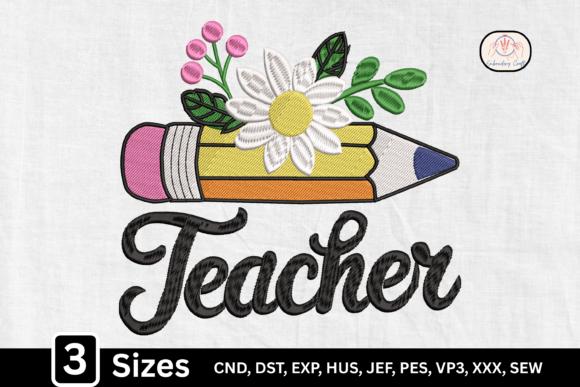
The moment I loaded the Daisy Floral Pencil Teacher into my digitizing software, the visual mood was immediately clear: sweet, creative, and distinctly academic without being cliché. Unlike many generic back-to-school motifs that rely heavily on bold block letters or cartoonish imagery, this design leans into a softer, more organic aesthetic. The combination of floral elements with the iconic pencil shape creates a unique focal point that feels both decorative and thematic.
For designers looking to add a personal touch to their projects, this machine embroidery design offers a delicate balance. It isn’t overly busy, which is crucial for maintaining clarity in smaller hoop sizes. The floral details provide texture and depth, while the pencil motif anchors the design in its educational theme. This makes it particularly appealing for targets such as teachers, students, and parents who appreciate subtle elegance over loud graphics. When I first viewed the mockup, I imagined this design naturally fitting onto light-colored cotton tees, linen tote bags, or even nursery decor where a gentle, inspiring message is preferred.
Performance in Real Embroidery Projects
Testing a design on screen is one thing; seeing how it performs on actual fabric is another. I considered using Daisy Floral Pencil Teacher for several common product categories to see where it would shine.
- Custom Apparel: On sweatshirts and hoodies, the design’s scale works well. The floral accents soften the look, making it suitable for casual wear. However, on darker fabrics, thread color contrast becomes critical. A white or pastel pencil might get lost against navy or black, so I recommend sticking to lighter garment colors or using high-contrast thread choices.
- Tote Bags and Aprons: These are staple items for Etsy sellers and craft fair vendors. The design’s vertical orientation fits beautifully on the front panel of canvas totes. For aprons, it adds a charming detail near the pocket area. The key here is stability; ensure you use a cut-away stabilizer for woven fabrics to prevent puckering during frequent washing.
- Baby Items and Nursery Decor: This is perhaps the strongest use case. On baby blankets or pillow covers, the soft daisy motifs translate beautifully. The design feels gentle and safe, avoiding any sharp or aggressive lines. It pairs well with neutral color palettes like cream, sage green, or soft pink.
- Embroidered Patches and Caps: If the file includes a border or clean edges, it could serve as a standalone patch for denim jackets or backpacks. For caps, the curved surface requires careful hooping. While the design is likely compact enough for a standard cap hoop, testing on scrap foam or similar material is essential to ensure the pencil tip doesn’t distort.
Practical Technical Considerations
From a technical standpoint, every embroidery file has limitations, and understanding them is what separates a professional result from a amateur one. Here are some practical notes based on typical characteristics of this style of design.
Stitch Density and Detail
The floral components likely utilize a mix of satin stitch for outlines and fill stitch for petals. High stitch density can make a design feel luxurious, but it can also cause fabric distortion if not supported properly. I always advise checking the stitch density in your software before stitching. If the fill areas are too dense, consider reducing the density slightly or adding water-soluble topping to keep the stitches lying flat. Conversely, if the running stitch details are too sparse, they may break easily on textured fabrics like fleece or terry cloth.
Hoop Size and Placement
While specific hoop dimensions should be verified on the Creative Fabrica product page, designs of this nature typically fit within standard 4x4 or 5x7 inch hoops. This versatility is a major plus for small business owners who may have limited machine capabilities. However, always confirm the exact dimensions to avoid resizing issues that can alter the aspect ratio of the pencil and flowers.
Fabric Compatibility
This design shines on stable, medium-weight fabrics. Cotton, linen, and blends are ideal. Avoid stretchy knits unless you are using a heavy-duty stabilizer and a ballpoint needle, as the tension of the embroidery thread can pucker the fabric. For dark fabrics, pre-test thread colors. Metallic threads might add a nice shimmer to the pencil body, but they require slower stitching speeds to prevent fraying.
Impact on Product Value and Branding
Using a well-executed digital embroidery file like Daisy Floral Pencil Teacher can significantly enhance the perceived value of your handmade products. In a crowded marketplace, visual appeal is the first step in capturing buyer trust. A clean, well-stitched design signals quality and attention to detail.
When creating listings for platforms like Etsy or Shopify, high-quality photos are essential. This design’s aesthetic lends itself well to lifestyle photography. Imagine a model holding a coffee mug next to a tote bag featuring this design, or a child wearing a sweatshirt with the motif visible. These images help customers visualize the product in their lives, boosting engagement and conversion rates. Furthermore, because the design is seasonal yet timeless (school themes recur annually), it offers long-term utility for inventory planning.
Final Recommendations for Creators
Before incorporating Daisy Floral Pencil Teacher into your commercial workflow, I strongly recommend taking these steps:
- Test on Scrap Fabric: Always run a test stitch-out on the same fabric type you plan to sell. Check for alignment, tension, and color contrast.
- Review Licensing: Visit the Creative Fabrica product page to confirm the license terms regarding commercial use. Ensure you are permitted to sell finished physical goods made from the design.
- Create Printable Mockups: Use the design to create digital mockups for marketing. This allows you to showcase the product on various garments before producing inventory.
- Inspect Small Details: Zoom in on the digitized file to inspect tiny details like the eraser tip or flower centers. Ensure these elements are robust enough to withstand washing and wear.
In conclusion, Daisy Floral Pencil Teacher is a versatile and charming addition to any embroidery designer’s asset library. Its blend of floral beauty and academic symbolism makes it suitable for a wide range of applications, from personalized gifts to boutique apparel. By paying attention to technical details like stabilizer choice and thread contrast, you can transform this digital file into a high-quality finished product that delights customers and strengthens your brand. For those seeking a reliable, aesthetically pleasing design for the back-to-school season, this is a worthy candidate for your next project.