Elementary Cursive Embroidery Font - M Review
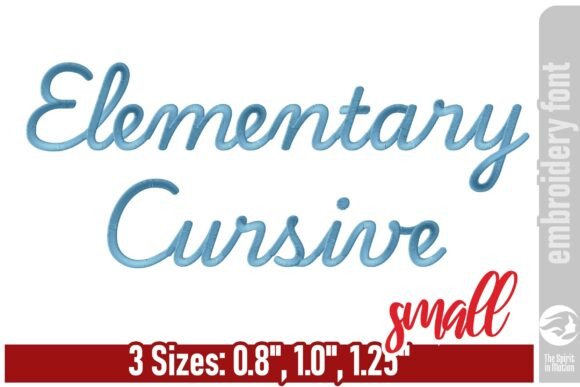
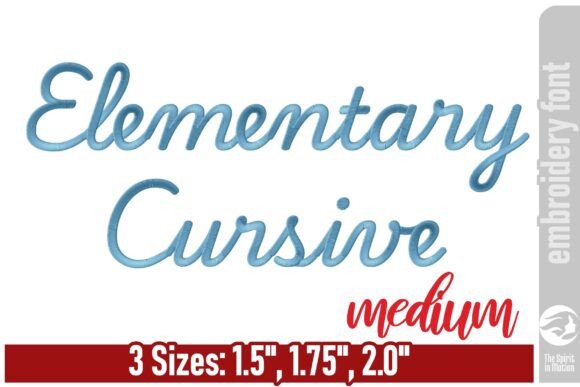
As a professional embroidery designer who has spent years refining digitized assets for commercial use, I approach every new font file with a specific mindset. It is not just about how the letters look on a screen; it is about how they perform under the needle on a variety of fabrics, from delicate cotton to heavy-duty canvas. When I first encountered Elementary Cursive Embroidery Font - M, my initial reaction was one of nostalgic warmth mixed with professional curiosity. The description highlights its roots in the classic primary school handwriting curriculum, and this immediately signals a design that balances friendliness with legibility.
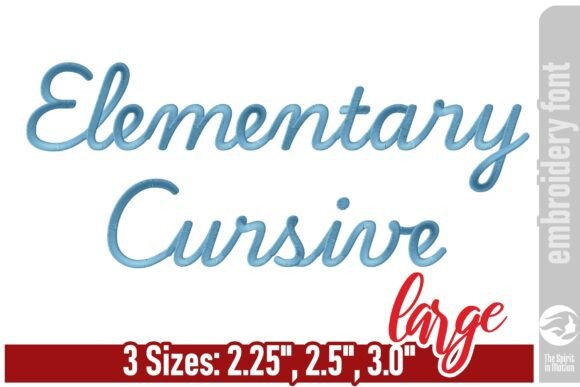
This font feels distinctly handmade yet polished. Unlike rigid block fonts that can feel corporate or sterile, Elementary Cursive Embroidery Font - M brings a human touch to any project. For small business owners looking to establish a brand identity that feels accessible and trustworthy, this character set offers a unique advantage. It suggests a story behind the product, whether that is a local bakery, a boutique florist, or a creative studio. However, translating this digital elegance into a physical embroidered patch or custom apparel requires careful planning and an understanding of the technical limitations of machine embroidery.
Real-World Application for Small Business Merch
The versatility of Elementary Cursive Embroidery Font - M makes it a strong candidate for various small business merch applications. Imagine a local coffee shop wanting to embroider their logo on barista aprons. The cursive style adds a layer of artisanal charm that aligns perfectly with the craft-beverage culture. Similarly, for a handmade soap brand or a pet supply shop, using this font on tote bags or product labels creates a cohesive visual language that customers recognize instantly.
When designing embroidered patches for staff uniforms or customer giveaways, this font excels at creating a sense of community. A cap design featuring a simple tagline in Elementary Cursive Embroidery Font - M can serve as a subtle branding tool that doesn't overwhelm the wearer. It works particularly well as a chest logo accent or a sleeve detail where space is limited but brand recognition is crucial. For event merchandise, such as t-shirts for a charity run or a craft fair, the font's playful nature invites engagement and feels less formal than standard typefaces.
In the context of an Etsy branding strategy, consistency is key. If you are selling digital files or physical goods, having a font that looks great on a printable mockup translates to higher perceived value in the finished product. Customers often judge the quality of a handmade item by its details, and a clean, well-executed cursive script can elevate a simple tote bag into a premium accessory. This font supports that narrative of quality craftsmanship, making it an excellent choice for commercial embroidery projects where brand perception matters.
Navigating Technical Challenges and Limitations
While the aesthetic appeal is undeniable, an experienced designer must always consider the practicalities of production. Stitch density is a critical factor when working with cursive scripts. Because these fonts rely on flowing lines and loops, high stitch counts can sometimes lead to puckering, especially on lightweight or stretchy fabrics. Before committing to a large production run, it is essential to test the design on the actual fabric texture you intend to use. What looks perfect on a stable cotton twill might distort on a soft jersey knit without the proper stabilizer.
Size is another significant constraint. While Elementary Cursive Embroidery Font - M is beautiful, tiny lettering on a small patch or a cap front can become illegible if the stitches merge together. Curved surfaces, like the front panel of a baseball cap, present their own challenges. The natural flow of the cursive must be adjusted to follow the curve without losing its rhythm. If the hoop size is too small relative to the design, the tension may vary across the piece, leading to uneven stitching. Designers should advise clients to avoid placing intricate cursive text on items that require frequent washing, as the friction can cause the finer details to fray over time.
Color contrast also plays a vital role in readability. On dark uniforms or textured fabrics, the thread colors must be chosen carefully to ensure the script stands out. A light thread on a dark background is generally safer, but the sheen of the thread can alter the appearance of the cursive loops. Always review thread color options against the final product material to maintain visual consistency.
Strategic Design Notes for Production
To ensure the best results when incorporating Elementary Cursive Embroidery Font - M into your business assets, there are several steps every designer should take. First, create a black and white test printout of the design. This helps visualize the spacing and weight of the letters without the distraction of color. Next, inspect the spacing closely. Cursive fonts often have tight kerning that can look messy if the individual characters are too close together. Confirm that the digital embroidery file has been optimized for the intended garment size.
Testing on real fabric is non-negotiable. Do not rely solely on software previews. Run a sample on the actual material you plan to use, including the correct stabilizer. This step reveals how the fabric reacts to the needle and allows you to adjust tension settings before mass production. Additionally, create a detailed printable mockup for client approval. Showing a realistic representation of the finished product manages expectations and ensures everyone is aligned on the final look.
It is also wise to compare this design asset beside other design elements in your portfolio. Does the weight of Elementary Cursive Embroidery Font - M match your existing logos? Consistency in stroke width and style is what builds a professional brand identity. Finally, verify the commercial licensing terms of the file. As a buyer, you need to know if you are permitted to use the design on items for resale, such as branded merchandise or staff uniforms. Ensuring you have the right permissions protects your business from legal issues down the line.
Ultimately, Elementary Cursive Embroidery Font - M is more than just a decorative element; it is a tool for building trust and recognition. When used thoughtfully on apron embroidery, cap designs, or tote bag marks, it transforms generic products into memorable brand experiences. By paying attention to stitch density, fabric choice, and production testing, small business owners can leverage this font to create high-quality, professional results that resonate with their customers.