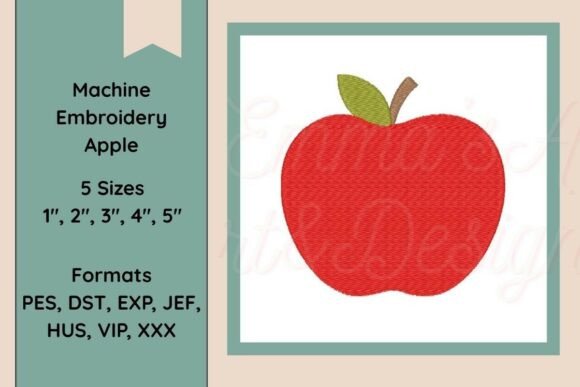
Machine Embroidery Apple: A Designer's Review for Small Business Merch
As an experienced embroidery designer who has spent years refining digital files for commercial use, I approach every new asset with a critical eye. When evaluating the Machine Embroidery Apple, my goal is not just to admire its aesthetic but to determine its viability as a core component of a small business brand. This design promises a classic touch and vibrant appeal, making it a strong candidate for Back To School themed projects, but does it hold up under the rigorous demands of professional merchandise? After simulating this design on various substrates ranging from cotton tees to sturdy canvas, here is my professional review.
First Impressions: Personality and Brand Fit
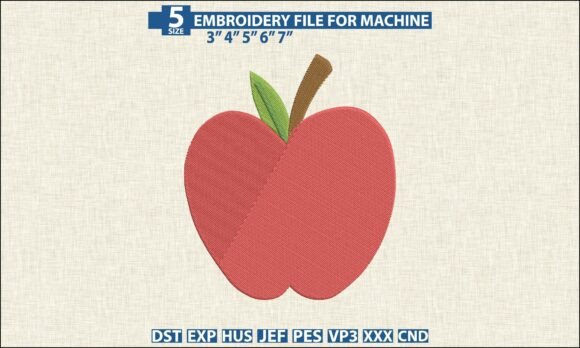
The initial visual impact of the Machine Embroidery Apple is one of clean simplicity and friendly energy. The description highlights a "clean and vibrant" look, which translates well into the world of brand identity. Unlike overly complex floral motifs or intricate script fonts that can lose detail at smaller scales, this apple design feels bold yet approachable. It strikes a balance between playful and professional, making it versatile enough for a variety of sectors.
For a bakery, a florist, or a local café, this design suggests warmth and artisanal quality. It does not feel corporate or sterile; instead, it evokes the feeling of a handmade product crafted with care. The vibrant nature of the design implies high contrast and visibility, which are essential traits for any logo intended to be seen on a busy street or a crowded market stall. However, designers must ensure that the "vibrancy" described in the file translates correctly to thread colors, as some digital hues do not always match physical embroidery threads perfectly.
Real-World Application: From Patches to Aprons
In a practical business scenario, the Machine Embroidery Apple proves itself as a multifaceted asset. Imagine a boutique coffee shop looking to upgrade their staff uniforms. Placing this design on a chest pocket of a work shirt adds a subtle yet distinct brand mark without overwhelming the garment. Similarly, for a handmade soap maker or a craft seller, this design serves as an excellent accent on product packaging or a branded tag attached to a tote bag.
The versatility extends to embroidered patches as well. If you run a pet brand or a creative studio, a patch featuring this apple can be sewn onto denim jackets, backpacks, or even caps. It acts as a conversation starter, signaling to customers that the business values craftsmanship. For Etsy branding or digital sellers offering design assets, this file offers a reliable option for creating mockups that showcase how a final product might look.
Consider a summer event where a local business distributes free merch. A tote bag design featuring this apple is practical and visually appealing. It is sturdy enough to carry groceries or art supplies while serving as a walking billboard for the company. In these contexts, the finished product relies heavily on the precision of the stitch placement, which is why the structural integrity of the file is paramount.
Strategic Limitations and Risk Areas
While the design is robust, there are specific scenarios where caution is required. One of the primary concerns for any commercial embroidery project is scale. If you intend to create a tiny lapel pin or a very small patch, the details within the Machine Embroidery Apple may become indistinguishable. High stitch density can cause puckering if the design is reduced too much, leading to a distorted appearance that hurts your product value.
Curved surfaces, such as the front of a baseball cap, present another challenge. While the apple shape is generally forgiving, tight curves can distort the outline if the digitization does not account for fabric stretch. Furthermore, on dark uniforms, the thread colors must be chosen carefully to ensure they pop against the background. If the file lacks underlay stitches designed for dark fabrics, the result may look muddy or uneven.
Items that require frequent washing, such as chef aprons or work shirts, also demand scrutiny. Designs with excessive detailing or thin lines can fray over time if the stitch density is not optimized for durability. Always inspect the spacing of the stitches to ensure they are locked down properly. If the design includes tiny lettering or fine outlines, test them thoroughly before mass production to avoid customer complaints about fading or tearing.
Impact on Customer Trust and Recognition
Your embroidered merchandise is often the first tactile interaction a customer has with your brand. A sloppy execution can undermine the perceived quality of your entire business. Conversely, a crisp, well-executed Machine Embroidery Apple reinforces professionalism and attention to detail. When customers see a consistent visual language across their custom apparel, gift items, and promotional materials, it builds trust.
This design supports a narrative of authenticity. In a market saturated with mass-produced goods, the texture and depth of embroidery convey a sense of heritage and care. By using this design strategically, you elevate your small business merch from simple promotional items to collectible pieces that customers want to keep and wear. This engagement is crucial for long-term brand loyalty.
Practical Designer Notes for Production
Before committing to a full production run, I strongly advise following a strict testing protocol. First, generate a black and white test to check the silhouette and spacing. This ensures that the design remains legible regardless of the color palette used. Next, verify the hoop size and confirm that the design fits within the maximum dimensions of your embroidery machine's hoop.
Thread color contrast is vital. Do not rely solely on the digital preview; physically stitch the design on the actual fabric you intend to use. Fabric texture plays a significant role in how the stitches lay; a smooth cotton will look different than a textured canvas or a synthetic blend. Ensure you use the proper stabilizer to prevent shifting and distortion during the stitching process.
Create a printable mockup for client approval if you are working with external partners. This allows stakeholders to visualize the final outcome and catch potential issues early. Compare the Machine Embroidery Apple beside other design assets in your collection to ensure visual consistency. Finally, and most importantly, confirm the commercial licensing terms. Ensure you have the legal right to use this file for selling products, whether it is for a single batch or ongoing production.
If the product description does not specify the exact stitch count, file format, or recommended hoop size, you must contact the provider or test extensively to determine these parameters. Never assume compatibility. By treating the digital embroidery file with the same rigor as a physical prototype, you guarantee that your brand identity remains sharp, professional, and memorable.